

The World Is Changing Faster Than People Realize
A publication for people who refuse to be late to the future


Most people think the future arrives slowly.
It doesn’t.
It arrives quietly, and then all at once.
By the time changes become obvious, the most important decisions have already been made. Power has shifted, rules have been rewritten, opportunities have moved elsewhere, and the headlines catch up after the fact.
This publication exists for people who don’t want to be late to the party.
Traditional Institutions Can’t Prepare You for What’s Next

Traditional institutions don’t fail us because they are incompetent.
They fail us because we fall for the lie that they’re here to help us.
Traditional organisations, governments, corporations, media outlets, and universities are built to preserve stability and legitimacy. Their primary function is to justify their own existence, not to prepare us for global change.
Foresight is risky for traditional institutions because it creates accountability without authority, which challenges the relevance of these institutions.
What you get is an explanation after the fact, not preparation before it.
Traditional institutions also speak to averages, not people.
They plan for populations, voting blocs, balance sheets, and quarterly forecasts. Individuals are reduced to data points. Useful for modelling but invisible when it comes to lived consequences.
When institutions say “the economy is strong,” they mean on paper.
When they say “the government is stable,” they mean for now.
They are not answering the questions individuals actually have:
Will my skills still matter in 10 years?
Should I move overseas for a better quality of life?
What dangers lie ahead where I live?
Can I profit from the changes that lie ahead?
Those questions don’t fit neatly into policy briefings or press releases.
To make matters worse, traditional institutions are constrained by incentives you don’t share.
They cannot speak plainly about decline, disruption, or loss of control without undermining trust in the systems they manage. They cannot encourage adaptation that implies the system itself may fail people.
So they delay, soften language, and reframe permanent shifts as temporary setbacks.
By the time they admit the truth, the window for easy adjustment has usually closed.
Individuals, however, do not need narratives to remain functional.
They need clarity, lead time, and an honest assessment of where opportunities are moving.
That gap, between institutional incentives and individual needs, is where most people get caught unprepared.
Tomorrow’s Future exists to close that gap.
Not by predicting the future with false precision, but by helping individuals see change early enough to position themselves accordingly.
The Biggest Changes Rarely Make the Front Page
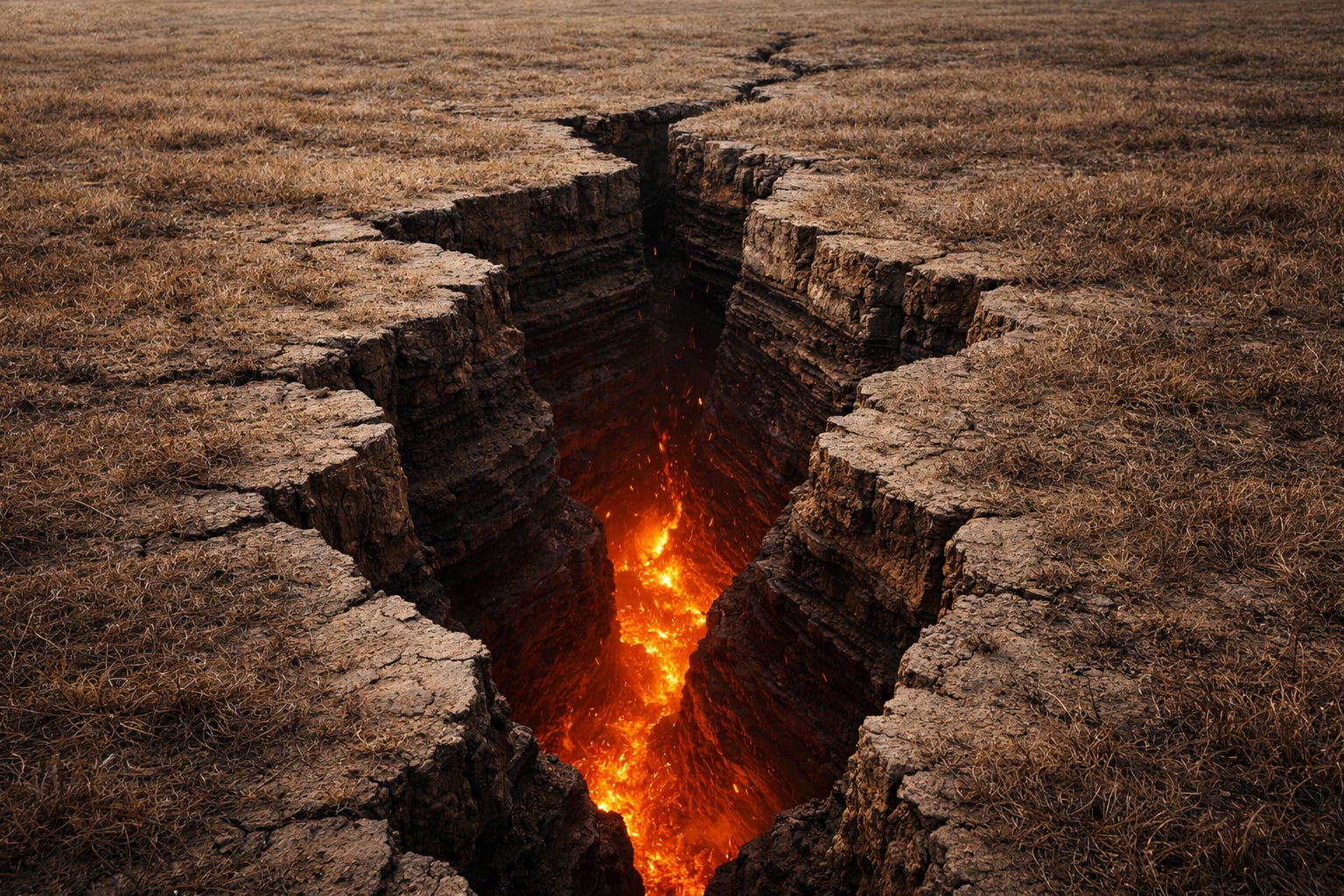
The forces reshaping the world today are structural, not dramatic.
They don’t announce themselves with breaking news banners; they move underneath the surface:
Demographics are shifting entire labour markets
Supply chains are being redesigned for resilience over efficiency
Energy and resources are redefining geopolitical leverage
Technology is being used to fragment the global economy into blocs
Power is moving away from traditional Western institutions towards modern institutions in the global south and east
Most publications focus on politics and policies, but Tomorrow’s Future is focused on planning and preparation.
Why This Matters to You

You don’t need to be a policymaker, investor, or executive to be affected by global change.
You only need to live in the world.
Global power shifts influence:
Your earning potential
Your job security
Your cost of living
Your freedom of movement
The stability of the systems you depend on
Ignoring these forces doesn’t make them go away. It simply guarantees you’ll adapt late, under pressure, with fewer options.
What Tomorrow’s Future Is (And Isn’t)
Tomorrow’s Future is not:
A news feed
A prediction service
A political ideology
A geopolitics newsletter
It is:
A clear-eyed look at where power is moving
An attempt to explain the world without ideological comfort
A guide that shows how global changes affect the individual
A space for people who prefer foresight to reassurance
This is about positioning, not panic.
About clarity, not certainty.
About making the right choice at the right time.

The Future Belongs to Those Who Seize Tomorrow
Most people will wait for confirmation.
They’ll wait until the trend is obvious.
Until the risk is low.
Until the opportunity is crowded.
By then, their advantage will have become a constraint.
The people who thrive in periods of change are not those with the most experience and qualifications. They are the ones who can see where things are headed before they become common knowledge.
That’s who this is for.
If you’ve made it this far, I know you’re the type of person who wants to understand tomorrow’s future before it arrives.
The only question is, are you ready?